
A Quiltblox Guide to Evaluating and Replacing Worn Essential Quilting Tools
There’s a moment in almost every quilting project when something just feels … off.
Your cuts aren’t as clean as they should be. Your seams don’t quite line up. You find yourself tugging, re-cutting, or second-guessing things that usually come naturally.
Before you blame your skills, take a look at your tools. The truth is, our tools work hard for us, and over time, even the best ones wear down. Replacing or refreshing them isn’t indulgent, it’s part of taking care of the craft.
Now, let’s be clear about something. You don’t need every new quilting gadget that hits the market. Some are fun. Some are helpful. But the core tools? The ones you reach for every single time you quilt? Those are worth maintaining and replacing when needed.
Let’s walk through them together.
Rotary Cutters and Blades
If there’s one tool that quietly causes the most frustration when it wears out, this is it. A dull rotary blade doesn’t just slow you down, it leads to ragged edges, missed threads, and inaccurate cuts. You may find yourself pressing harder (which isn’t safe) or going over the same cut multiple times.
Signs it’s time to replace the blade:
- Skipped threads or uneven edges
- Having to press harder than usual
- That “dragging” feeling instead of a smooth glide
Care tip:
Close the blade every single time you set it down. Store your cutter where the blade won’t bump into other tools. Many rotary cutters have a case (available separately) that allows us to store them, so they don’t get tangled up with other tools. I’ve used a dollar store pencil case for years – it works beautifully for my favorite rotary cutter. I can even store extra blades (new / used) in the same case.
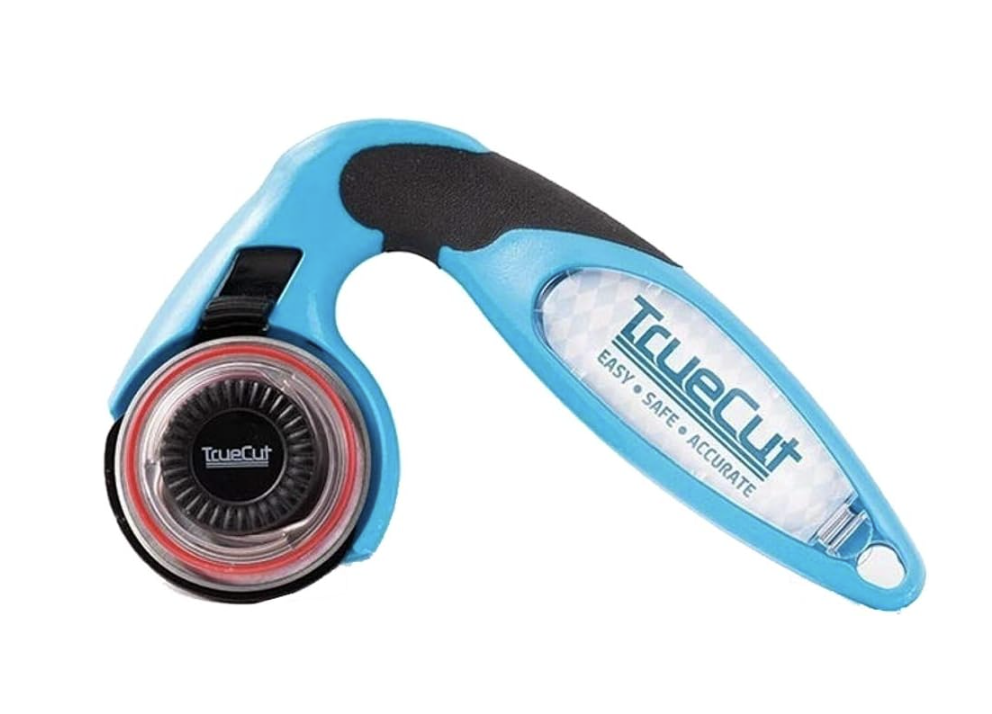
Choose a rotary cutter that fits your hand well and doesn’t put pressure on your wrist when you apply pressure to cut. My favorite rotary cutter has changed over the years as my hands have gotten a little more “cranky” about the time I spend cutting.
My Favorite Rotary Cutter:
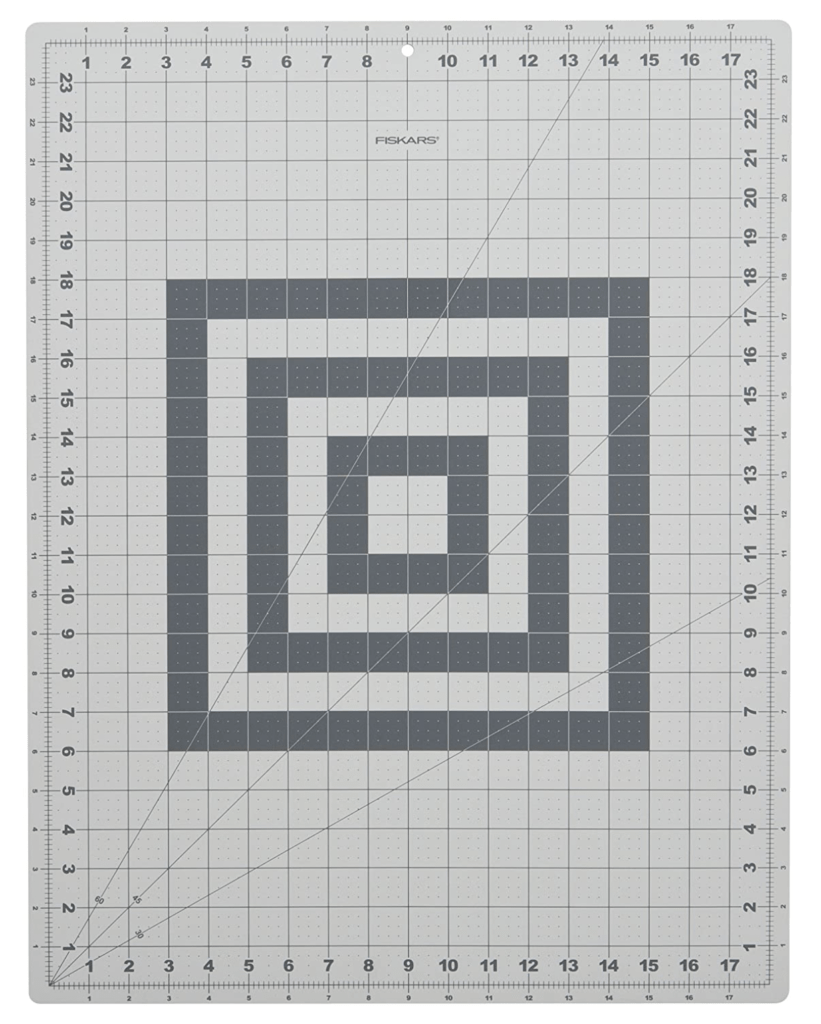
Cutting Mats
Your cutting mat is working just as hard as your blade. Over time, grooves form where you cut repeatedly. Those grooves can guide your blade in ways you didn’t intend, leading to slightly off cuts, even when your ruler is perfectly aligned.
Signs of wear:
- Deep grooves you can see or feel
- Warping or curling edges
- Cuts that veer slightly off track
Care tip:
Rotate your mat regularly so you’re not always cutting in the same spot. Store it flat and away from heat (no leaning it against a sunny window or leaving it in a vehicle).
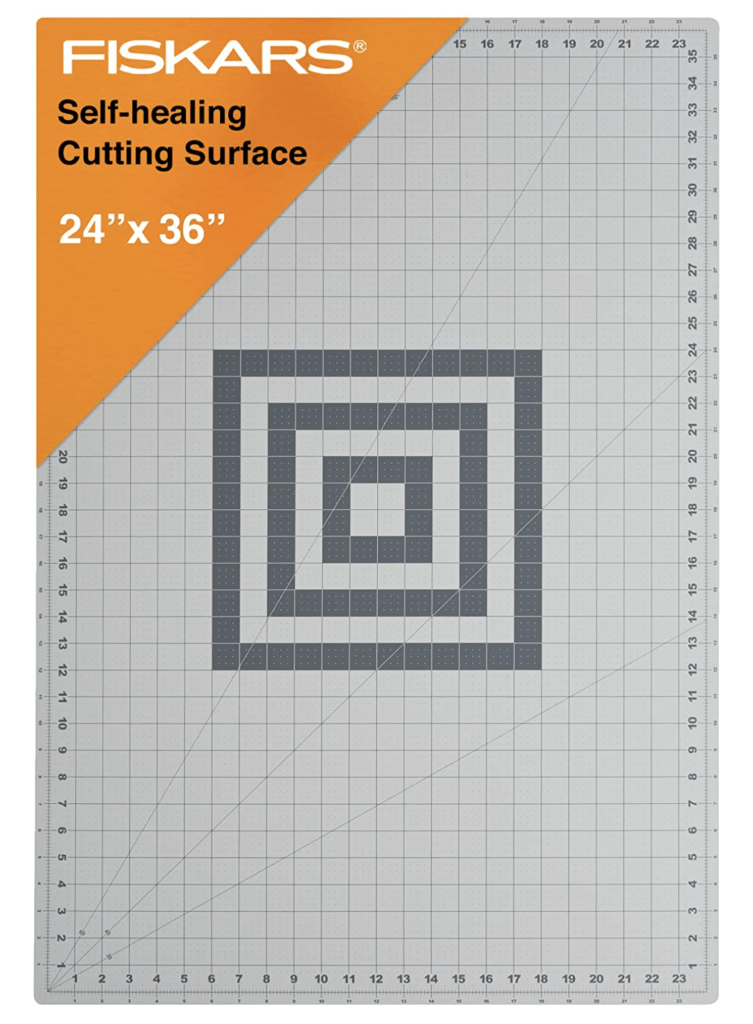
My Favorite Cutting Mats
Quilting Rulers
Rulers are all about accuracy. When they’re in good shape, they help you feel confident. When they’re not, they introduce doubt into every cut. Even a small nick can catch your blade and throw off a cut.
Watch for:
- Nicks or chips along the edges
- Worn or faded markings
- Slipping more than usual
Care tip:
Store rulers flat or upright where they won’t warp. Avoid stacking heavy items on top of them. A Ruler rack is a great investment and will keep your rulers handy and protected.
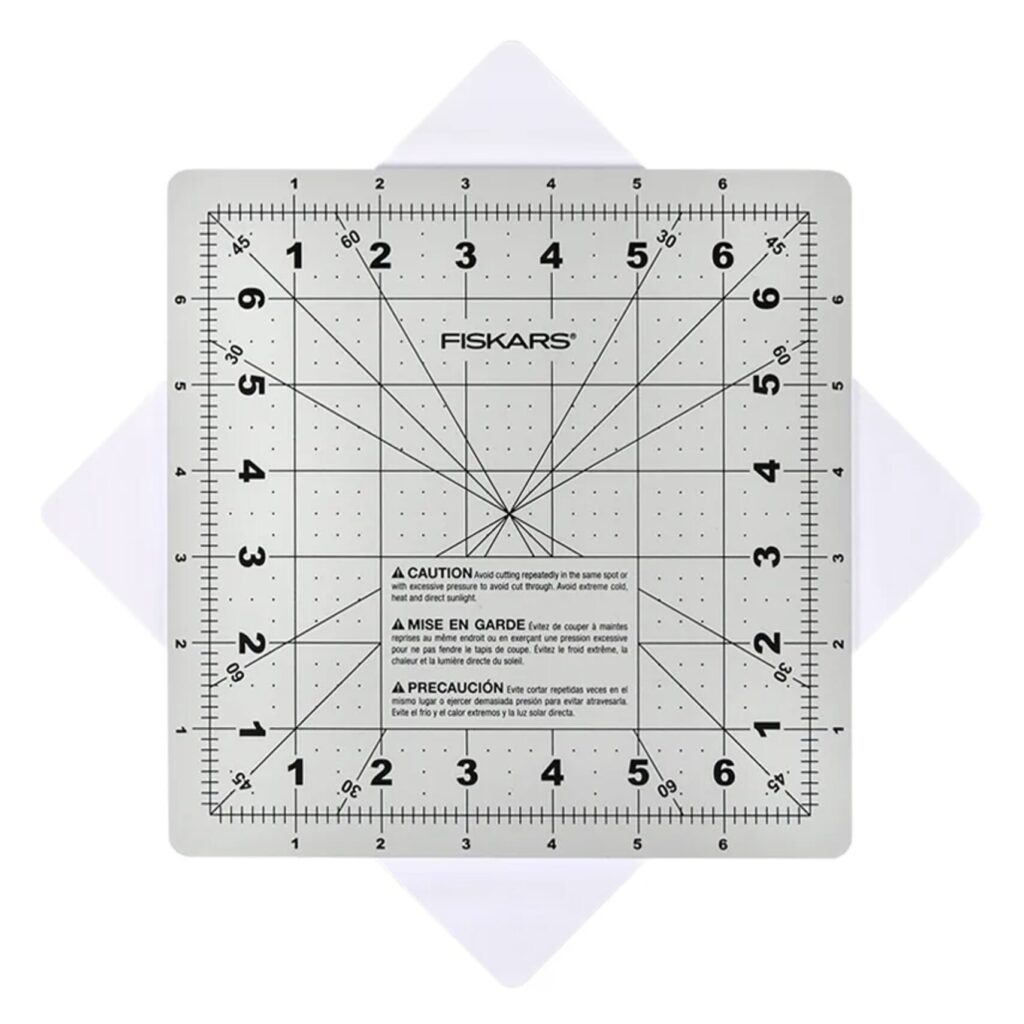
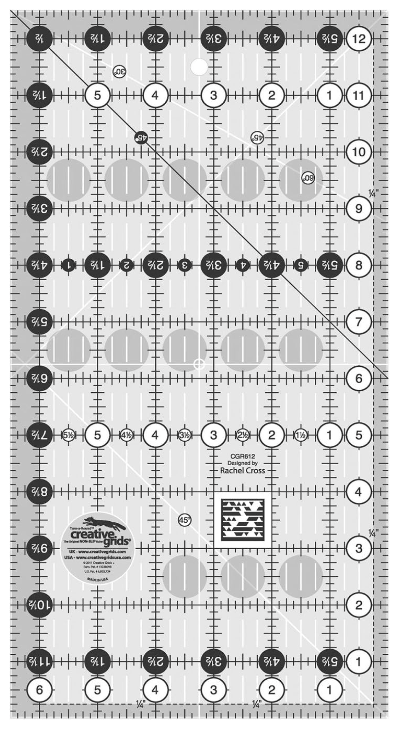
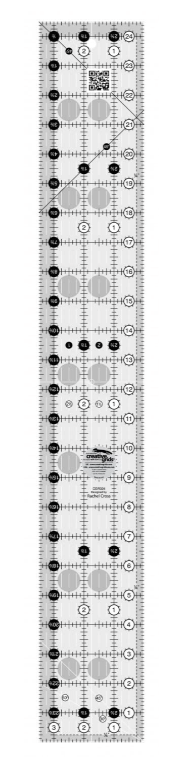
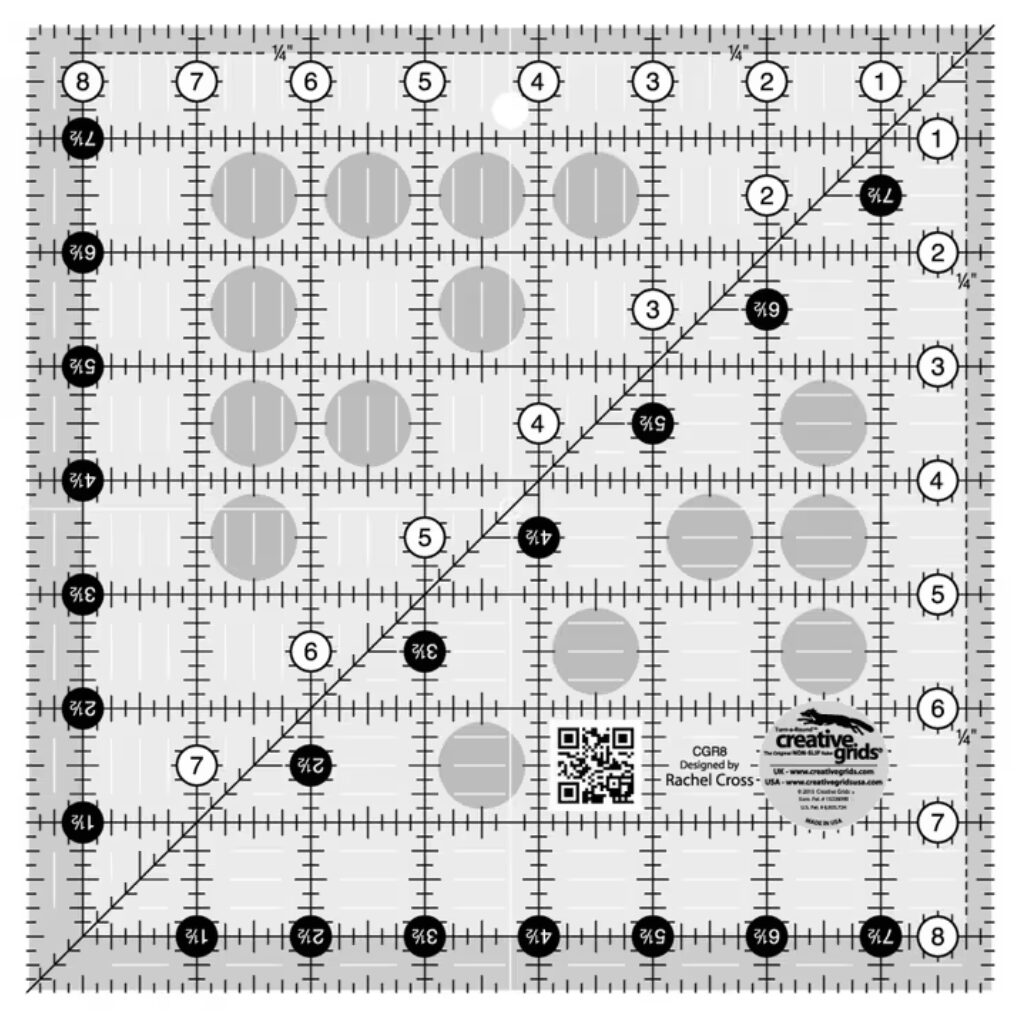
My Favorite Quilting Rulers and Ruler Rack
I have quite a few rulers but there are three that are my “use all day/every day” must have rulers:
Machine Needles
This one is easy to overlook, and it makes a big difference. A dull or bent needle can cause skipped stitches, thread breaks, or even damage your fabric.
Good rule of thumb:
Change your needle every project, or after about 6 – 8 hours of sewing. I’m very good about doing this – I’ve decided the frustration of dealing with the problems that happen if I don’t, aren’t worth it to me.
Signs it’s time to change the needle:
- Popping sounds while stitching
- Skipped stitches
- Fabric pulls or snags
Care tip:
Keep a small container or system so you always know which needles are new and which are used. My used needles go in a metal Altoids box. I change my needles often and it still takes me years to fill up that box. Once it’s full, I tape the edge and toss it in the recycle bin. If you have a sharps container – that works too.
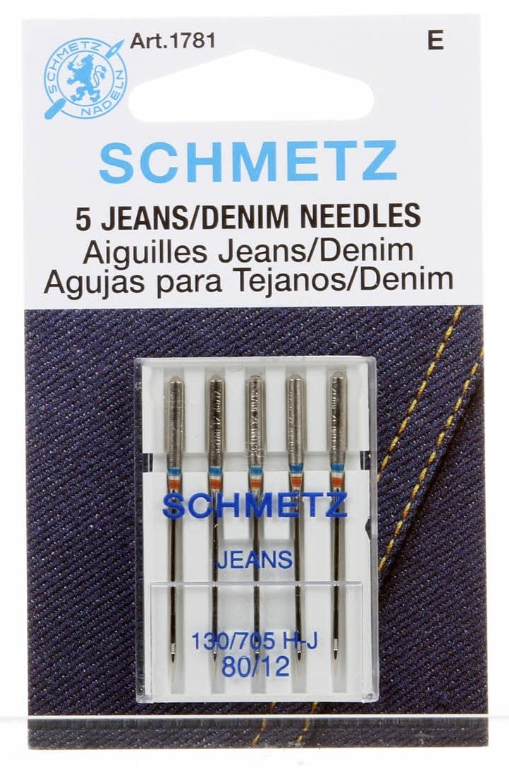
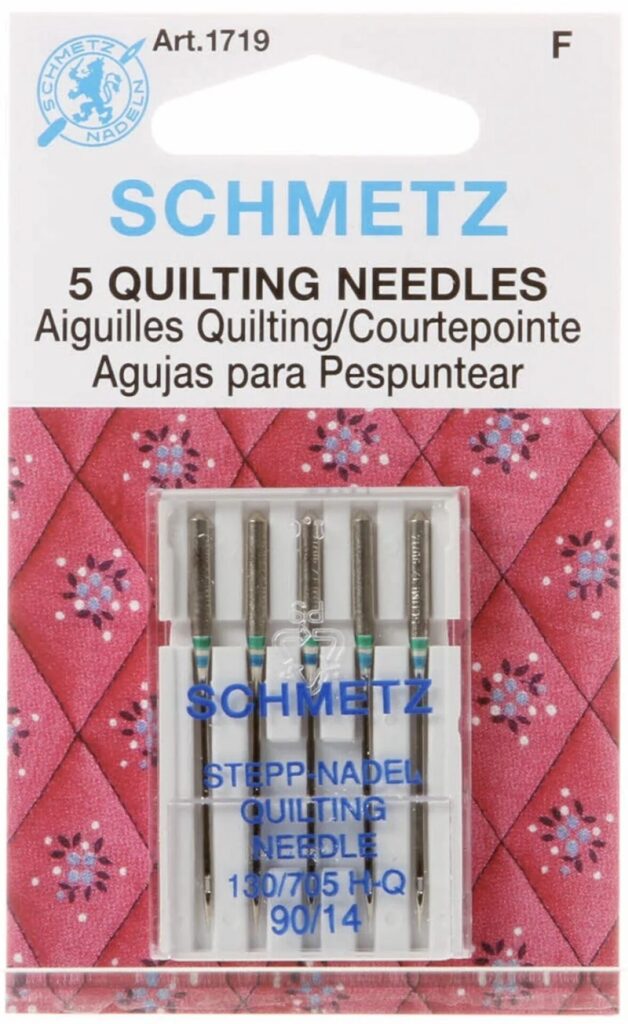
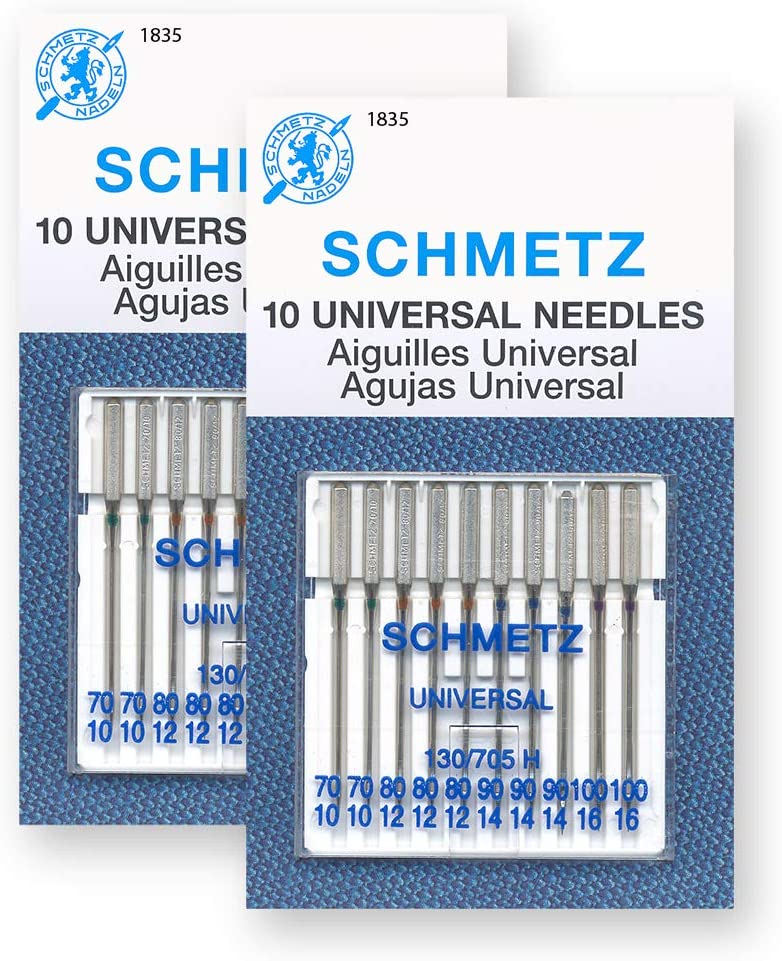
My Favorite Machine Needles:
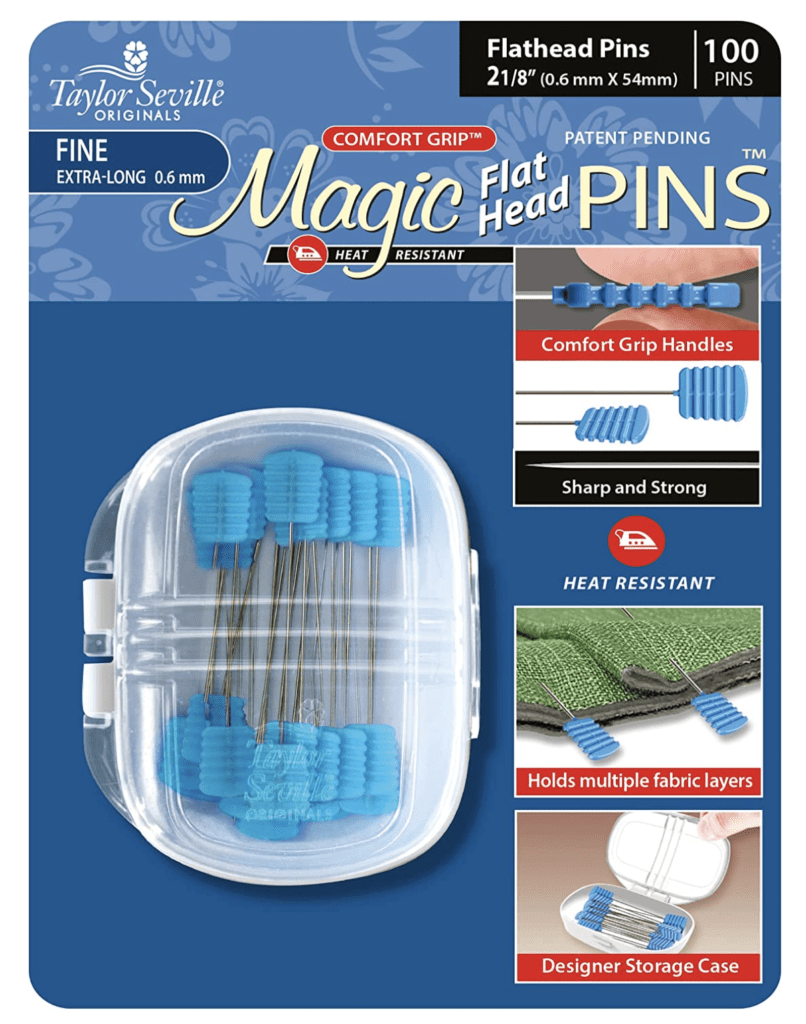
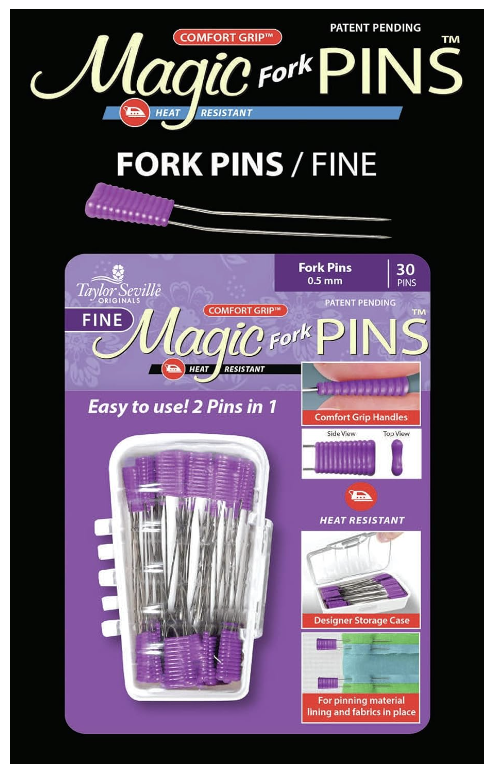
Pins
Pins are simple tools, but they matter more than we give them credit for. Bent or dull pins don’t hold fabric accurately. Worse, they can distort your seams, leave holes, or snag the fabric.
Look for:
- Bent shafts
- Dull tips that resist going through fabric
- Nicks from sewing over them (don’t do that)
- Rust (those should go immediately)
Care tip:
Keep pins in a dry environment and replace them gradually rather than waiting until they’re all worn out.
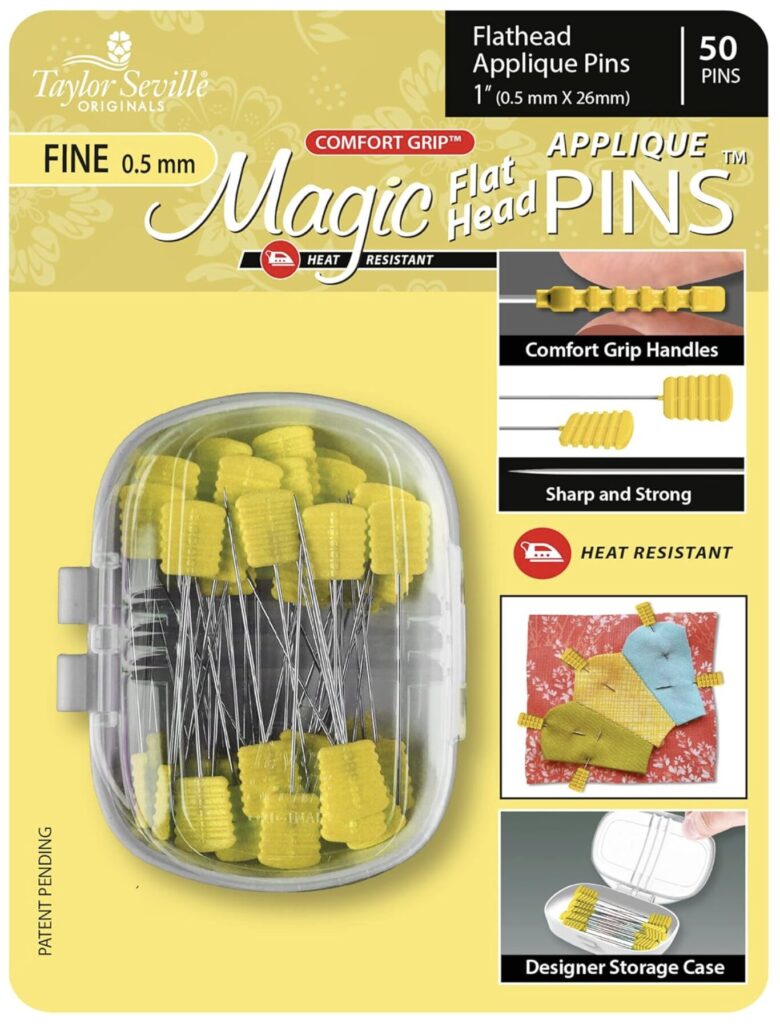
My Favorite Pins:
Seam Rippers
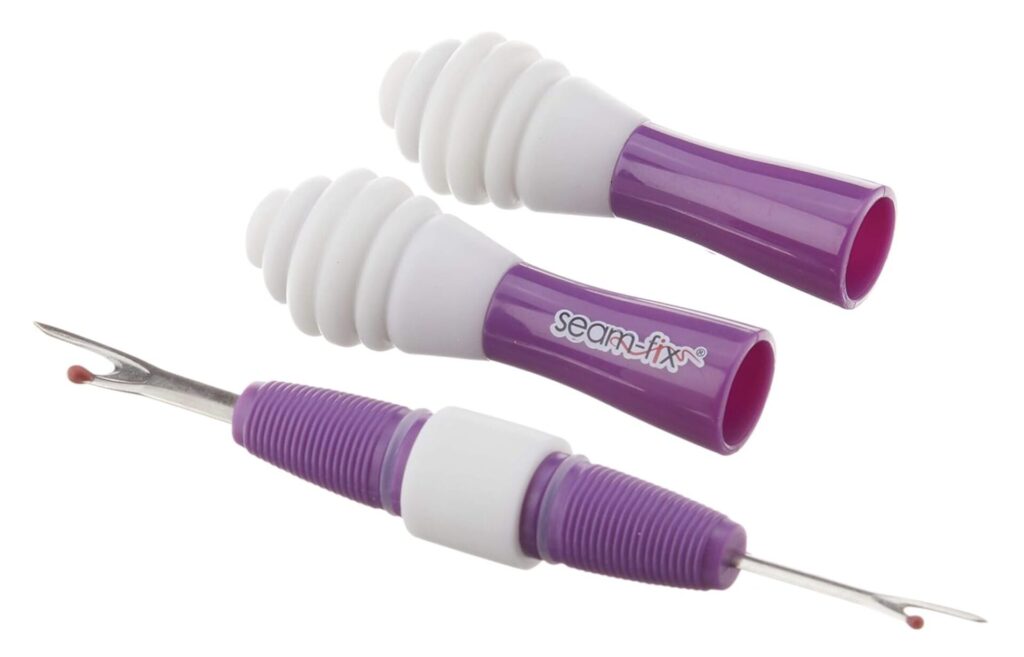
Not our favorite tool, but definitely one of the most used. A dull seam ripper makes the job harder than it needs to be and increases the risk of tearing your fabric. And I’ve never found a way to sharpen a dull seam ripper.
Signs of wear:
- It struggles to slide under stitches
- You’re pulling instead of cutting threads cleanly
Care tip:
Replace them more often than you think. They’re inexpensive, and a sharp one makes a big difference. Choose one with a comfortable ergonomic handle – your hands will thank you.
My Favorite Seam Ripper:
Scissors
Good scissors should feel like an extension of your hand. When they’re dull, they chew through fabric instead of slicing cleanly, which affects accuracy, especially for detailed cutting.
Watch for:
- Frayed edges after cutting
- Having to “chew” through fabric
- Hand fatigue from forcing the cut
Care tip:
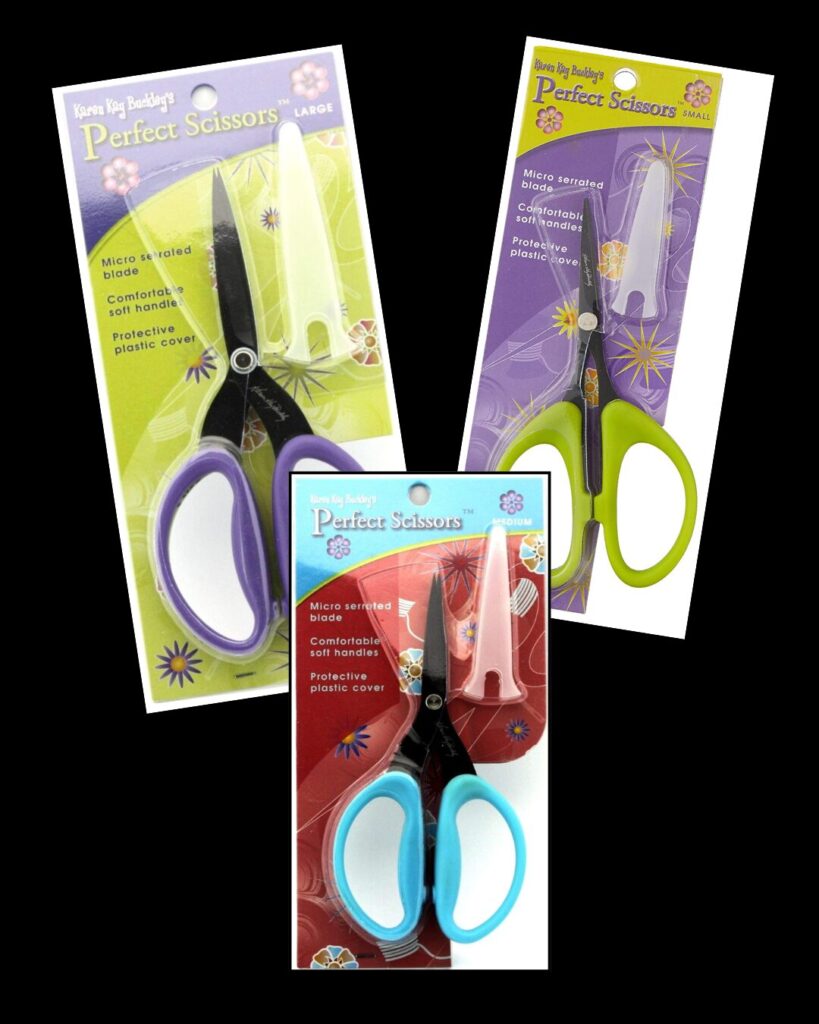
Keep fabric scissors for fabric only. Paper is not their friend. Store them closed and protected. Bonus points if they come with a protective cover.
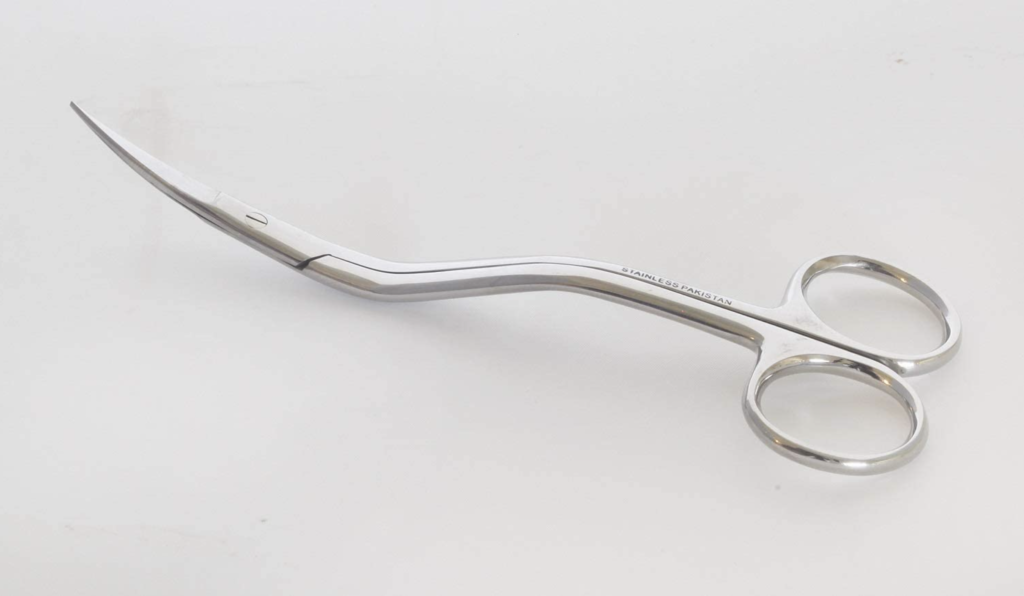
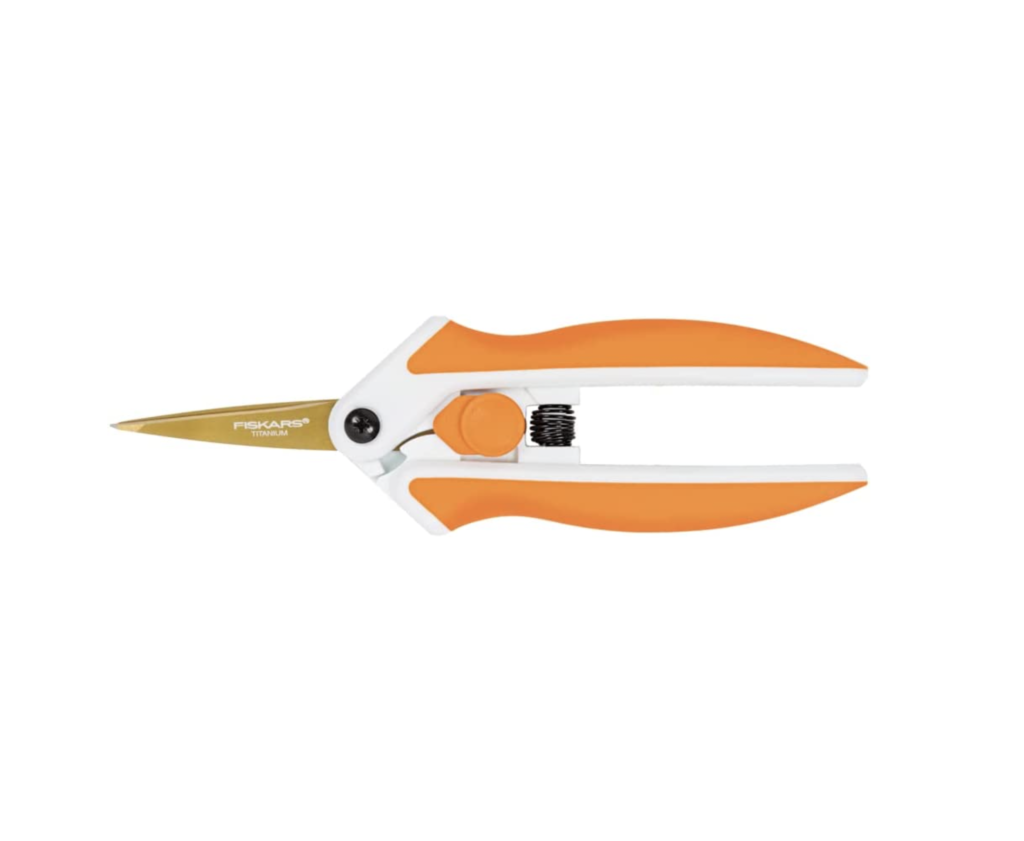
Also, choose the right pair of scissors for the job. Small scissors with comfortable handles for intricate cutting, larger scissors for larger cutting jobs and heavy scissors for thicker, tougher materials. I also like a pair of scissors with a curved tip (like embroidery scissors) for cutting thread tails close to the fabric – without cutting the surface of the fabric.
My Favorite Scissors:
Ironing Board Cover
This is another one of those things that doesn’t get much attention, but it should. A worn or thin ironing board cover can affect how well you press your seams. Uneven padding or scorched areas can leave impressions on your fabric.
Signs it’s time:
- Thin spots or worn padding
- Stains transferring to fabric
- Lack of smooth pressing surface
Care tip:
Replace the cover or add fresh padding when needed. A smooth pressing surface makes a noticeable difference.
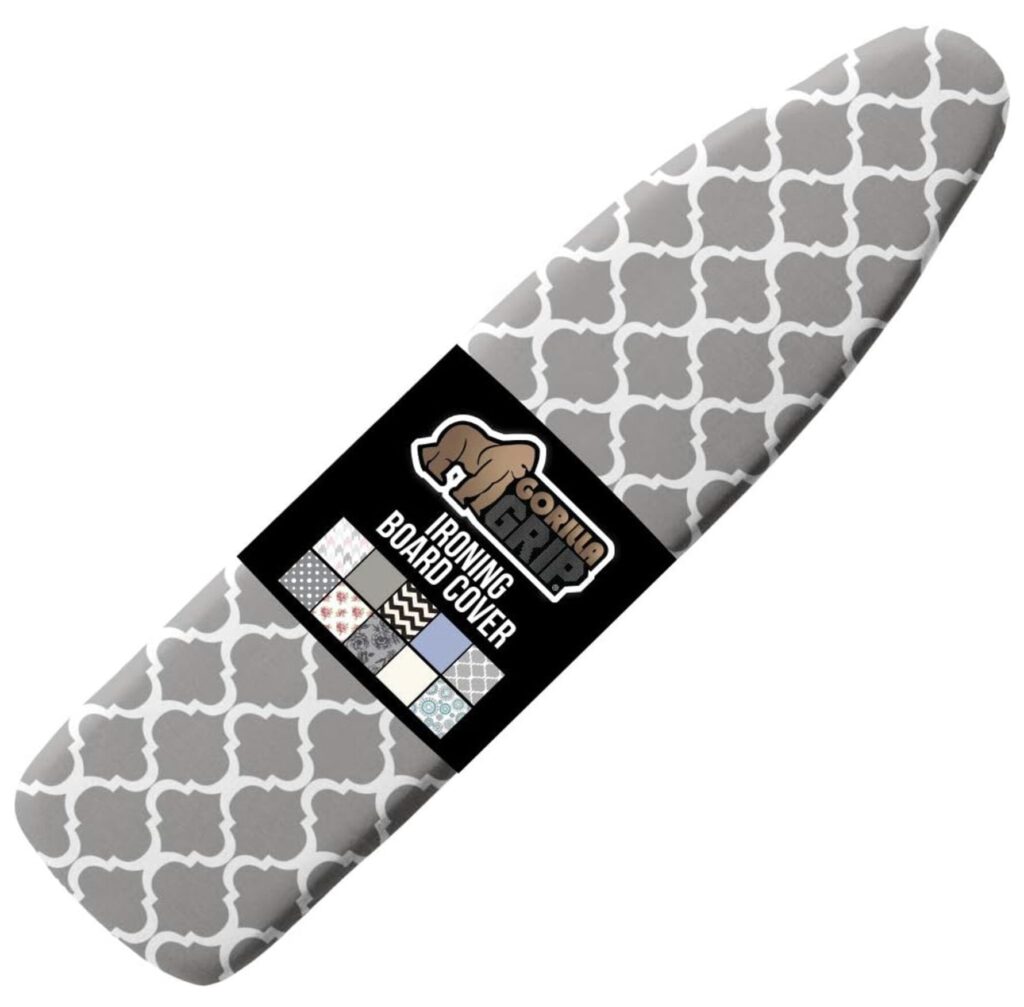
There are lots of great ironing board covers available. I like one without a busy design, I find it’s easier on my eyes. Whatever your preference for design, make sure it’s a good fit for ironing board and includes a good, padded layer. If not, I have been known to add a layer of fusible batting to the underside of the ironing board cover.
My Favorite Ironing Board Cover:
A Quilty Reality Check
It’s easy to get caught up in the idea that we need more tools to quilt better. But more tools isn’t the answer.
Better tool, well-maintained tools are. The essentials you already use? Those are the ones worth paying attention to. Keeping them in good condition supports every step of your process, from cutting to piecing to quilting.
A Simple Essential Quilting Tools Plan
Take a few minutes this week and check in with your tools. Lay them out. Look at them and evaluate them honestly.
- Which ones are working beautifully?
- Which ones are “getting by”?
- Which ones are quietly causing frustration?
Make a short list. You don’t have to replace everything at once. Just start with the tool that will make the biggest difference in your next project.
Final Thought
Your tools should support your creativity, not fight against it. When they’re sharp, smooth, and reliable, quilting feels easier. More enjoyable. More like the reason you started in the first place.
And that’s always worth the investment.
Happy Stitching!