
If you’ve spent much time browsing quilt block patterns, you’ve probably noticed something interesting. Traditional quilt blocks are sprinkled with state names (and sometimes names of cities), from coast to coast. There are blocks called Kansas Troubles, Indiana Puzzle, Ohio Star, Nebraska Windmill, Arkansas Traveler, Carolina Lily, and many more. It raises an interesting question:
Why did quilt designers name so many blocks after states?
The answer takes us on a journey through American history, migration, newspapers, and a quilter’s natural love of storytelling.
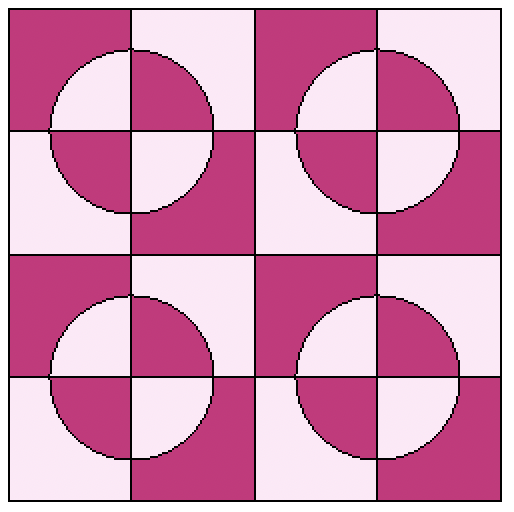
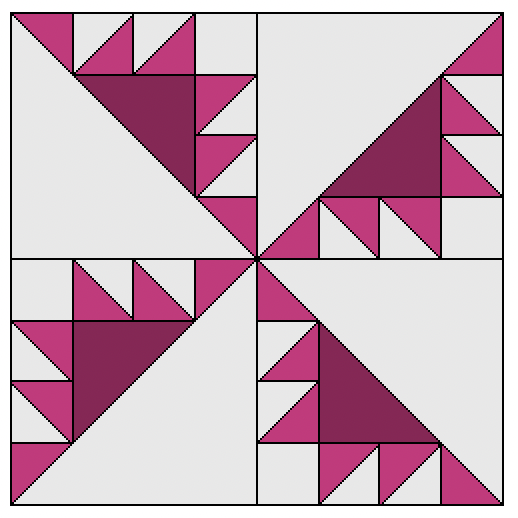
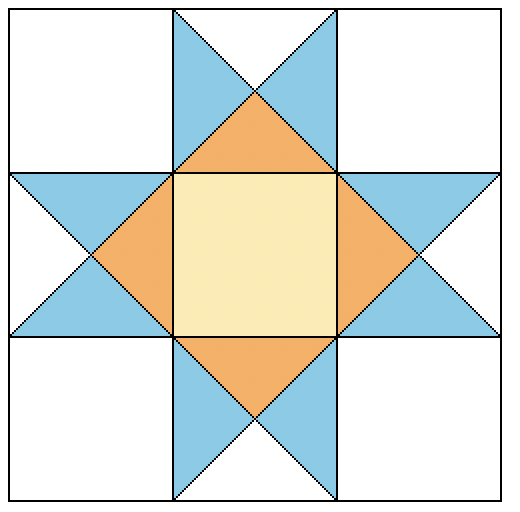
Quilt Blocks Were Often Named After Places
Many traditional quilt blocks were created during the 1800s, long before the internet, television, or even widespread access to books. Patterns traveled by word of mouth, through women’s magazines, newspapers, and quilting groups.
As families moved westward across America, they carried quilting traditions with them. A block might become popular in a particular region and gradually take on the name of a nearby state or town.
In some cases, the block’s name helped identify where it was commonly used. In other cases, the name simply made the pattern easier to remember. Think of it as nineteenth-century branding.
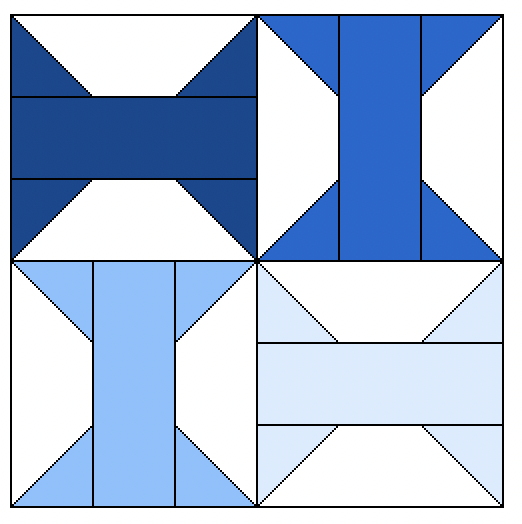
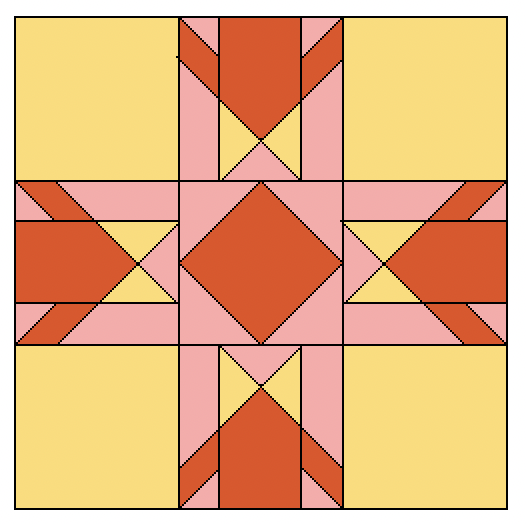
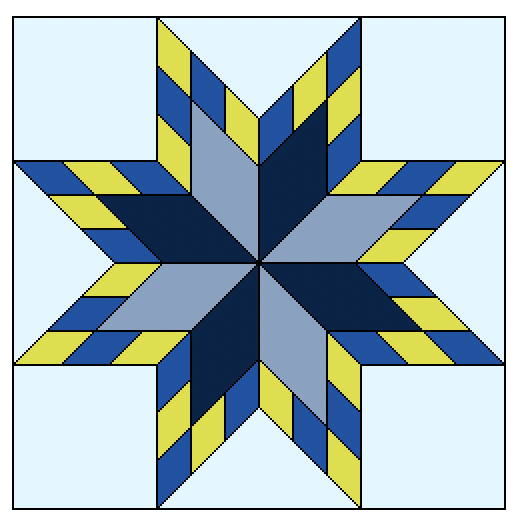
One Block, Many Names
Here’s a fun quilting fact: Many traditional quilt blocks have multiple names.
A pattern known as Ohio Star in one part of the country might have been called something entirely different somewhere else.
Before quilting books standardized names, local communities often renamed blocks to suit their own traditions. That’s why historians sometimes discover the same block published under three, four, or even ten different names. The names themselves became part of the block’s story.
Some Names Reflected Current Events
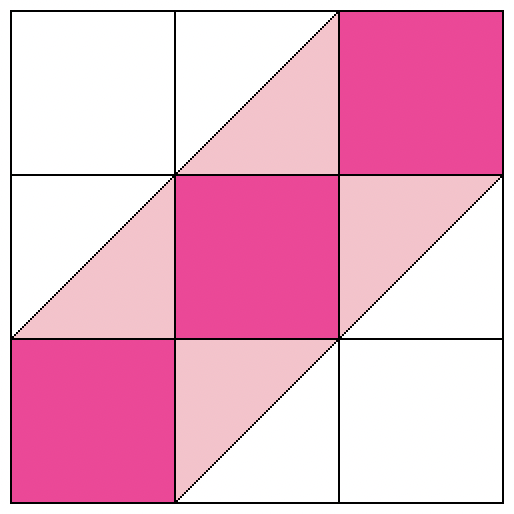
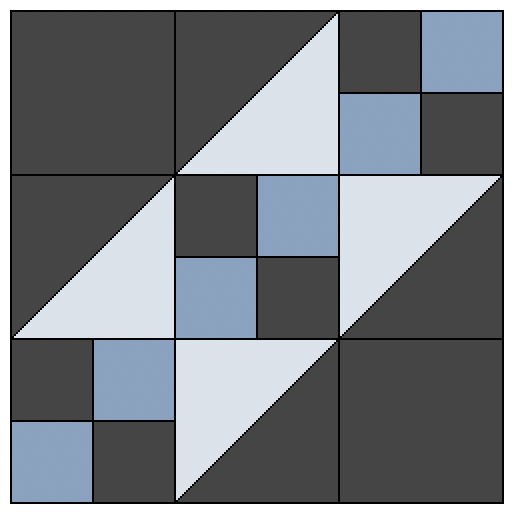
Not every state-named block was actually designed in that state. Sometimes a block’s name reflected an event that captured the nation’s attention.
The block Kansas Troubles, for example, is often associated with the political unrest that occurred in the Kansas Territory during the years leading up to the Civil War. Whether the block originated there or was simply inspired by the events is difficult to prove, but the name connected the quilt pattern to a moment in American history.
Similarly, blocks named after travelers, railroads, rivers, and territories often reflected the excitement of westward expansion and changing times.
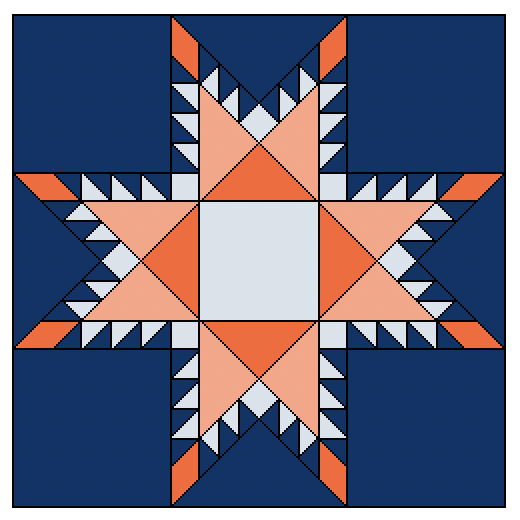
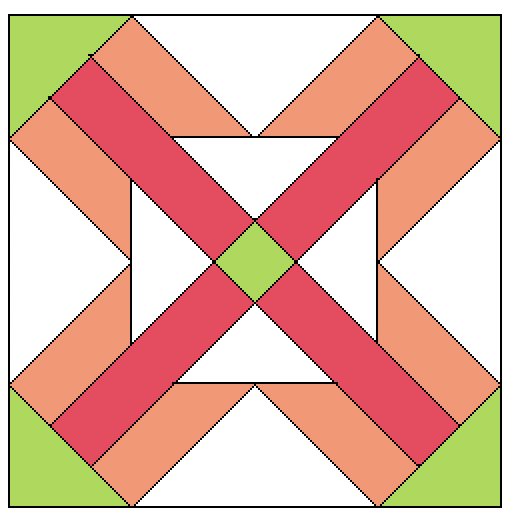
States Inspired Pride and Identity
Americans have always had a strong sense of place. Throughout the history of the USA, we quilters often expressed pride in our home state by incorporating state-named blocks into quilts. A block called Ohio Star or Carolina Lily immediately created a connection to a particular region and its culture.
Today, many quilters continue this tradition by creating quilts that celebrate the places we love. In fact, entire quilts can be designed around a state’s landscape, history, agriculture, wildlife, or landmarks – a concept that remains popular with contemporary quilt designers (including me ; ).
Did You Know?
Here are a few fun quilty facts about state name quilt blocks:
- Ohio Star is one of the most recognized traditional quilt blocks in America.
- Many state-named blocks appeared in newspapers during the late 1800s and early 1900s.
- Some blocks were renamed by magazine editors to make them more appealing to readers.
- Quilt historians still debate the true origins of many traditional block names.
- The same block can sometimes be found under dozens of different names in historical records.
Looking through a collection of traditional block names is almost like reading a map of the United States. States, cities, rivers, flowers, historical events, and local legends all found their way into quilting patterns.
The result is a rich patchwork of American history stitched into fabric, one block at a time. And speaking of state-named quilt blocks …
How many can you find in today’s word search puzzle?
Download the puzzle, grab a pencil, and see how many state-inspired quilt block names you can spot.
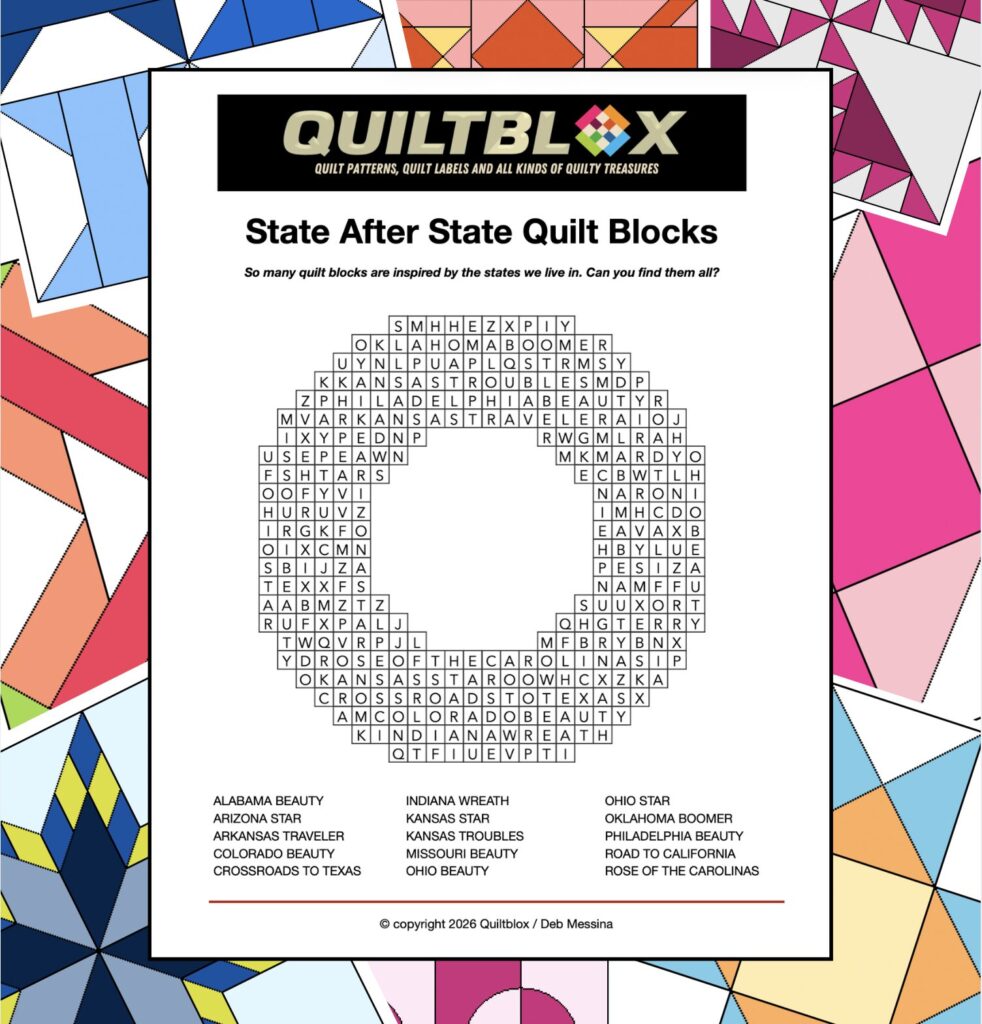
I hope you have some fun with this State After State word search puzzle!
Happy stitching!